



With every order over £50 you’ll receive an entry into our exclusive prize draw,
with the chance to win a Premium British Wool Guernsey Cable Sweater and 20oz YETI rambler

As the days get shorter and temperatures begin to drop, October is a good time to start thinking about winter boat maintenance. Whether you're preparing to lift your boat out of the water or planning to keep sailing throughout the colder months, a little preparation now can help prevent problems later.
From checking your mooring lines and rigging to protecting your engine and keeping damp at bay, there are several jobs worth tackling before winter arrives.
At Mylor Chandlery, we know that every boat is different, but these seven maintenance checks are a useful starting point for keeping your vessel in good condition over the winter months.
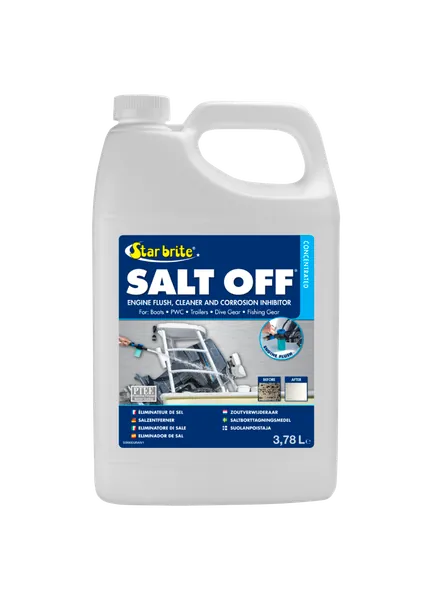
After a busy sailing season, salt, dirt and general grime can build up on your hull, deck and fittings. Leaving these deposits over winter can make spring cleaning more difficult and may contribute to deterioration of certain surfaces and materials.
Start by rinsing down the deck and hull with fresh water, paying particular attention to areas where salt and dirt collect. Use suitable marine cleaning products for the surfaces you're working on, whether that's gelcoat, painted surfaces, stainless steel or teak.
It's also worth cleaning lockers, drains and other areas where dirt and standing water tend to accumulate.
A good clean gives you the opportunity to spot any cracks, corrosion or damaged fittings that might otherwise go unnoticed.
Take a look at our range of boat cleaning and maintenance products to help get your boat ready for winter.
Ropes and rigging are exposed to regular wear, saltwater and changing weather conditions throughout the sailing season. Before winter sets in, take some time to inspect everything carefully.

Check mooring lines, halyards and sheets for signs of chafing, fraying or damage, particularly around cleats, fairleads and other contact points.
Look over your shackles, blocks and deck fittings for corrosion, wear or anything that appears loose or damaged.
If you're keeping your boat afloat over winter, pay particular attention to your mooring arrangements. Additional movement and prolonged exposure during unsettled weather can increase wear on lines and fittings.
For yachts with standing rigging, check for visible signs of damage around terminals and fittings. Any concerns about structural rigging should be assessed by an experienced rigger.
Replacing worn ropes or addressing damaged fittings now could help avoid more complicated repairs later.
Your boat's engine is another important area to consider before winter, particularly if it won't be used for several months.
Winter maintenance requirements vary depending on the engine type, cooling system and whether the boat is being stored ashore or remaining in the water.
As a starting point, check the condition of your engine oil, coolant, hoses, belts and fuel system. Look for any signs of leaks, corrosion or deterioration that need attention.
Engines with raw-water cooling circuits may require specific winterisation procedures to protect against freezing temperatures. Always follow the engine manufacturer's instructions, including any requirements for draining, flushing or suitable antifreeze.
If you're unsure about the correct procedure for your engine, speak to a qualified marine engineer before carrying out the work.
Taking care of engine maintenance before winter can make recommissioning easier when the next sailing season arrives.
Cold weather and long periods without use can take their toll on marine batteries, especially if they're left discharged.
Before laying up your boat, check the condition of your batteries, terminals and electrical connections. Look for corrosion, loose fittings or damaged wiring.
If your boat will be left unused, consider how your batteries will be maintained during storage. Some battery types benefit from a compatible maintenance charger, while others have different charging and storage requirements.
Always follow the battery manufacturer's guidance and make sure any charger is suitable for the battery chemistry and installation.
It's also worth checking navigation lights, bilge pump operation and other electrical equipment before the winter weather arrives, particularly if your boat will remain afloat.
Damp is a familiar problem for many boat owners during autumn and winter. Cooler temperatures, limited airflow and moisture trapped below deck can create conditions where condensation, mould and unpleasant smells develop.
Before leaving your boat for an extended period, give the interior a thorough clean and make sure lockers, cupboards and bilges are dry.
Remove damp clothing, towels and other items that could retain moisture. Where practical, lift cushions and open interior storage spaces to encourage airflow.
Adequate ventilation is important, although you'll also need to ensure vents and openings are suitable for the weather conditions and won't allow water inside.
Depending on your boat's setup, moisture absorbers or a suitable dehumidifier may also help manage humidity. Electrical equipment used unattended on board must be appropriate for the environment and installed and operated in accordance with its manufacturer's instructions.
Taking a few precautions now can make a noticeable difference when you return to your boat in spring.
Safety equipment shouldn't be overlooked simply because the main sailing season is coming to an end.
October provides a useful opportunity to check the condition of equipment carried on board and identify anything requiring servicing or replacement.
Inspect your lifejackets for visible wear or damage and check their service status in accordance with the manufacturer's instructions.

Check the expiry dates on flares and other dated equipment, and review the condition of your fire extinguishers and first aid supplies.
If your boat is staying in the water, make sure your bilge pumps and any associated alarms are functioning correctly.
Remember that different safety products have different inspection, servicing and replacement requirements. Always follow the relevant manufacturer's guidance and applicable regulations.
Keeping your equipment in good working order is important whether you're planning winter sailing or preparing for the following season.
Finally, think about how and where your boat will spend the winter.
If it's remaining afloat, inspect mooring lines, fenders, cleats and other securing points. Check that your lines are arranged appropriately for expected movement, tidal changes and local conditions, with suitable protection against chafing.
Boats being stored ashore need different preparations. Check that covers are properly secured, loose items are removed or stowed, and drainage points are clear where appropriate.
If you're using a boat cover, make sure it fits correctly and allows suitable ventilation without creating areas where water can collect.
It's also sensible to arrange regular checks throughout the winter, particularly following periods of strong wind or heavy rain.
Your marina or boatyard may have additional requirements, so it's worth speaking to them about winter storage and mooring arrangements.
A little time spent on boat maintenance during autumn can help protect your equipment, reduce unnecessary wear and make getting back on the water easier when spring arrives.
Whether you're laying up your boat for the season or continuing to sail through winter, having the right equipment and maintenance supplies makes a difference.
At Mylor Chandlery, we stock a wide range of marine cleaning products, ropes, deck hardware, electrical equipment and general boat maintenance supplies.
Based at Mylor Yacht Harbour near Falmouth, our experienced team is always happy to help you find the right products for your boat.
Explore our chandlery range or browse our laying-up essentials to start preparing for winter.
If you're unsure which products are suitable for your boat, get in touch with the Mylor Chandlery team for practical advice.
